Documentation - turning of vehicles
into rolling art





The generation is gone now, when car was happens to be a rare possession. It was a symbol of status within the locality back then. I vividly recall a time in our neighborhood, where within a radius of 7 to 8 kilometers, there was only one doctor who owned a vibrant red Honda City, a 1998/1999 model. Sometimes, I used to cycle 3 kilometers from our railway quarter just to catch a glimpse of this remarkable car. As it passed my friend’s house between 8:30 and 8:40 in the morning. We would eagerly gather on my friend’s balcony, awaiting the sight of that car. When it cruised through the lanes of Pradhannagar, Siliguri, our eyes, along with those of all the passersby, were glued to it. The car’s color and model spoke about its owner’s personality. Being a Honda, a model from Japan made it even more intriguing. The bold red color made a statement in itself. Thanks to the progress of our nation, now a greater number of people have been able to own cars since then. Consequently, having a car in a city like Kolkata is no longer a rarity; it’s become common.
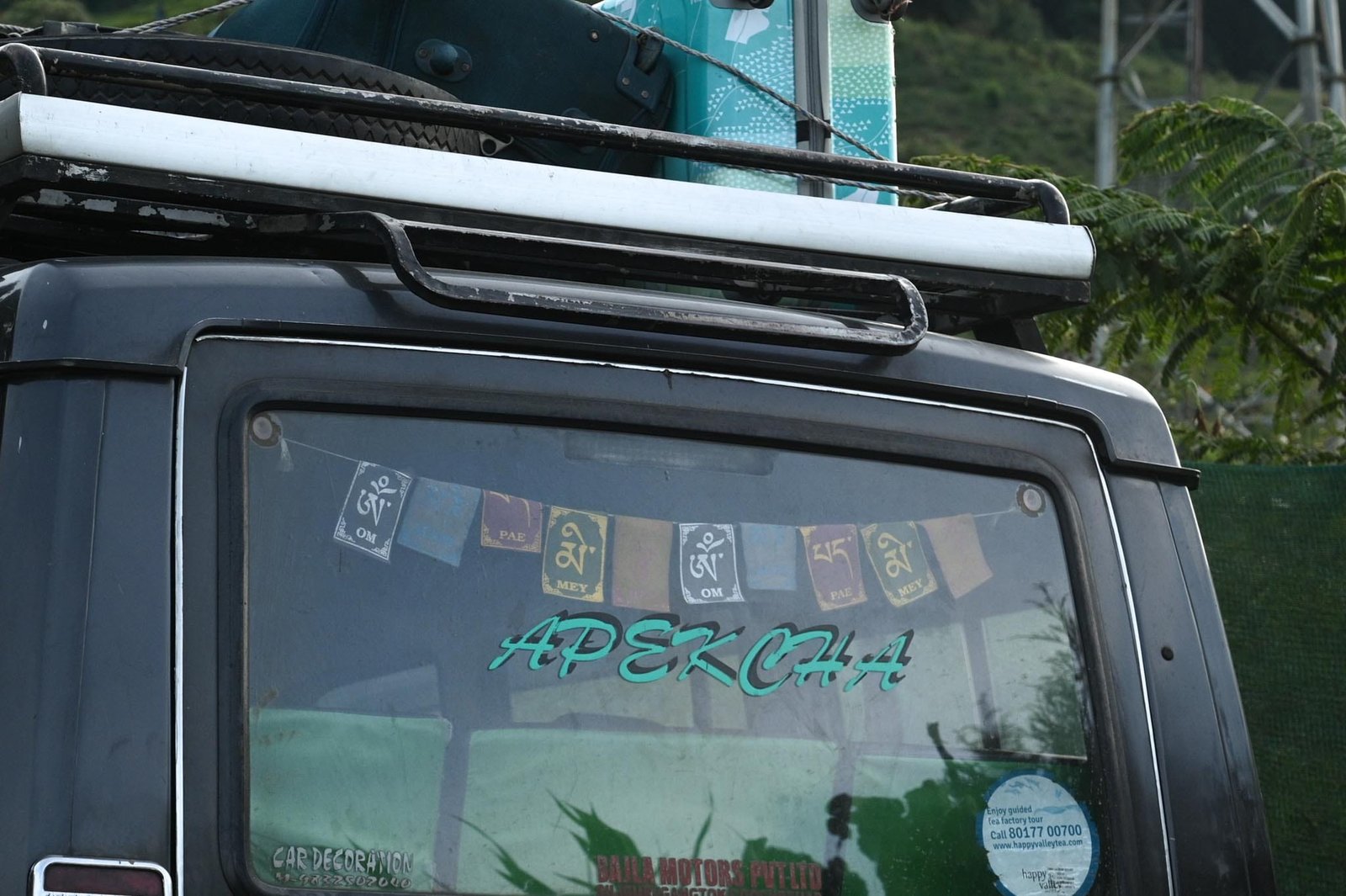
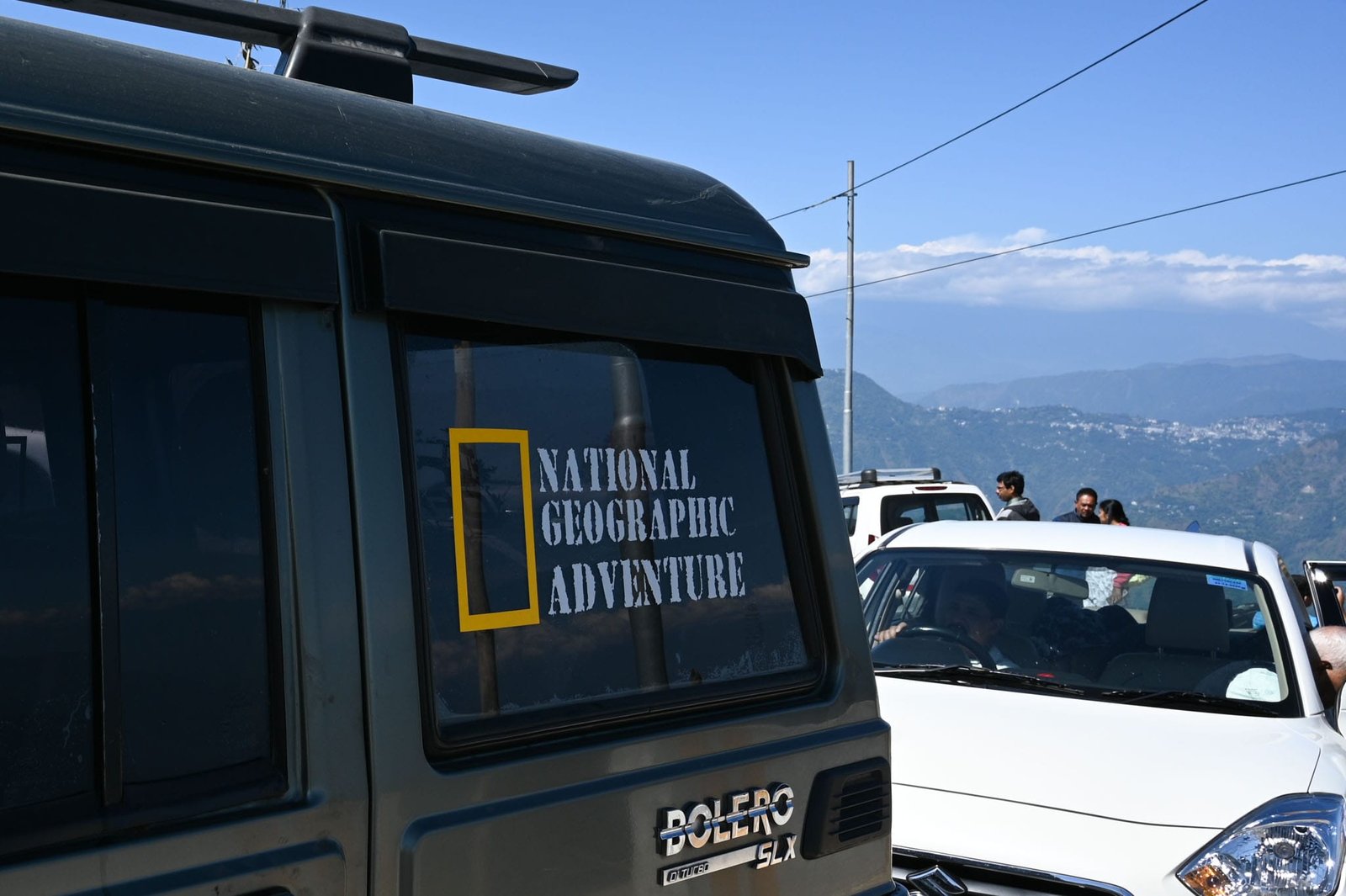
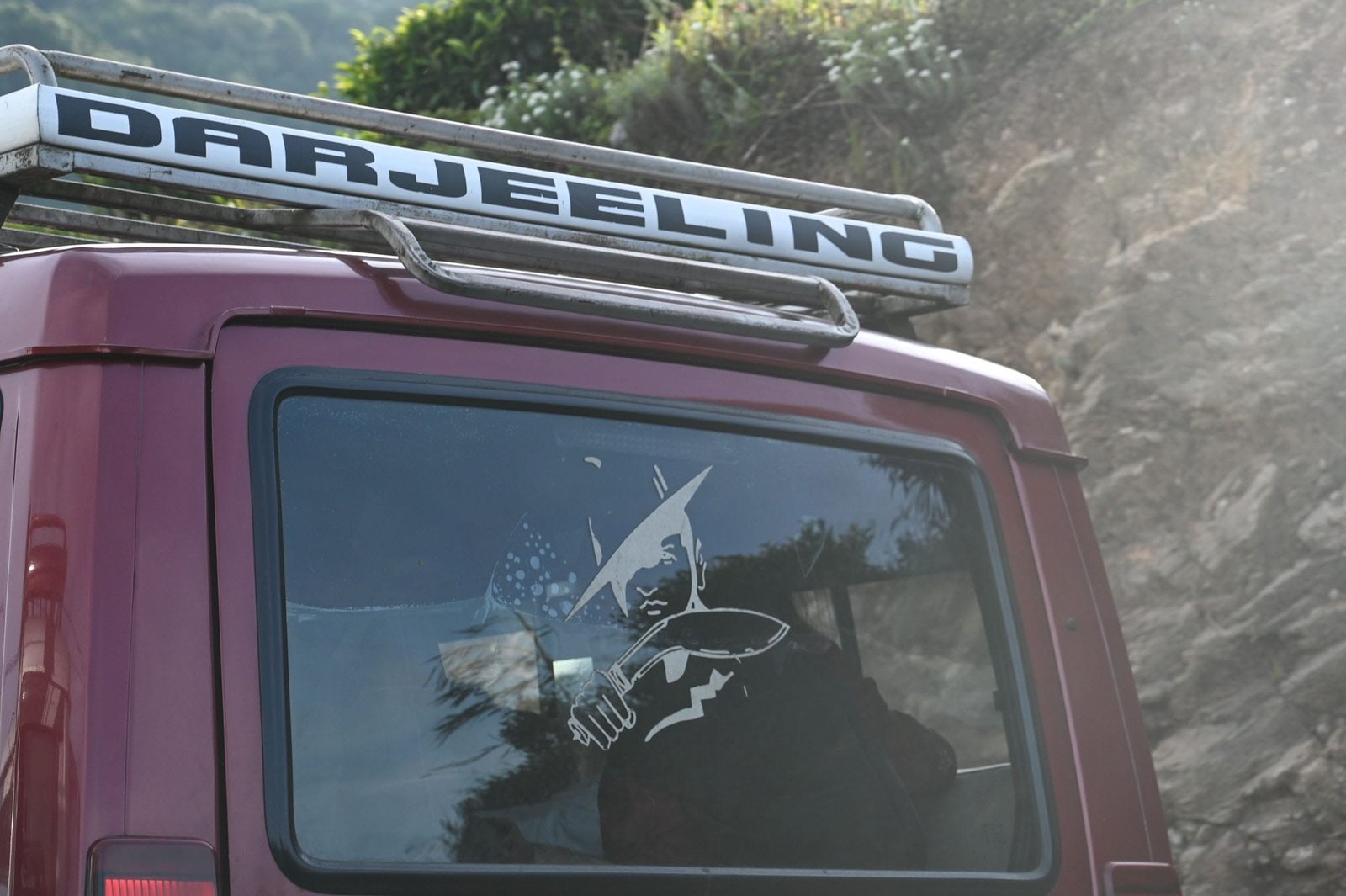
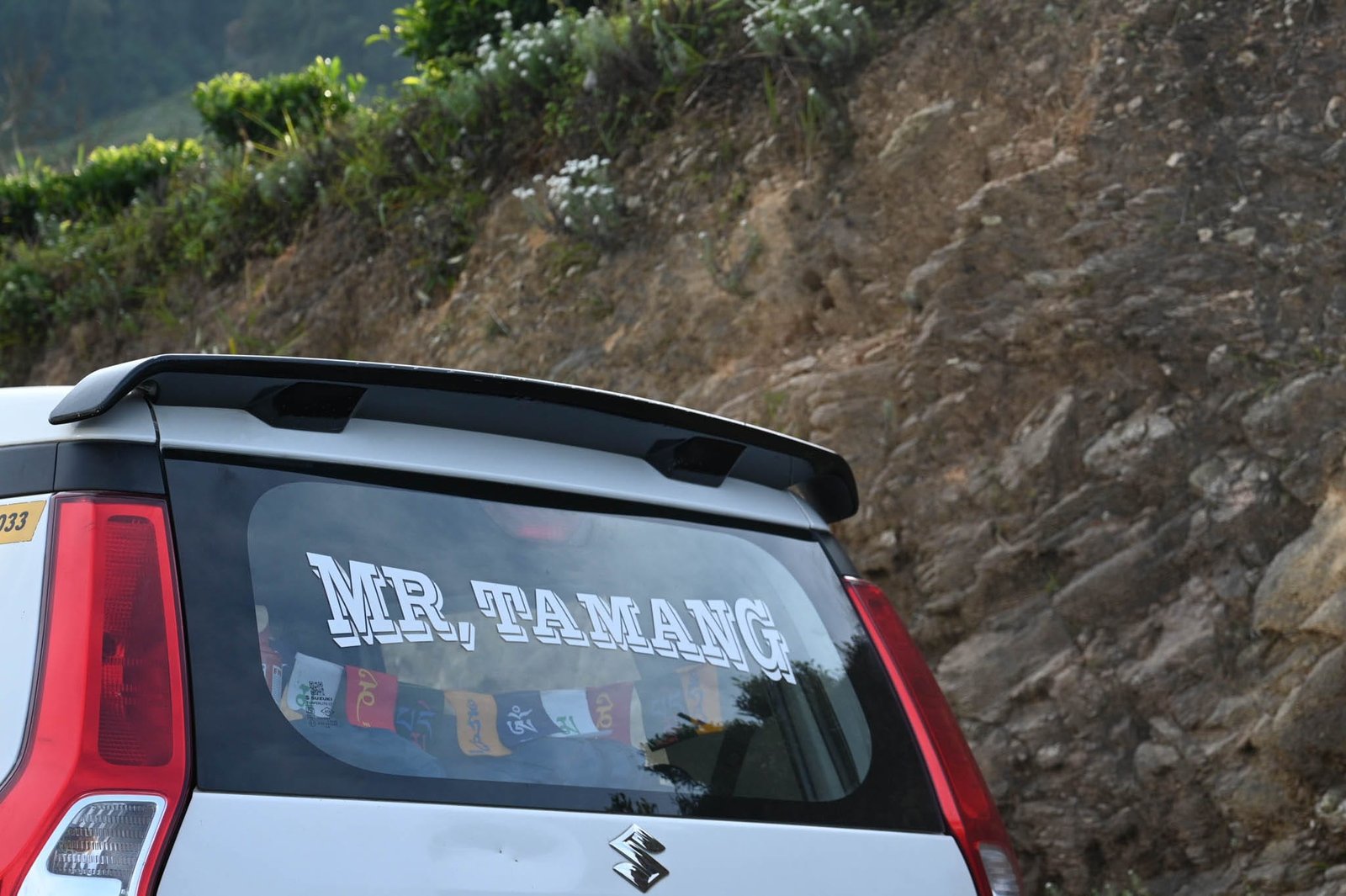
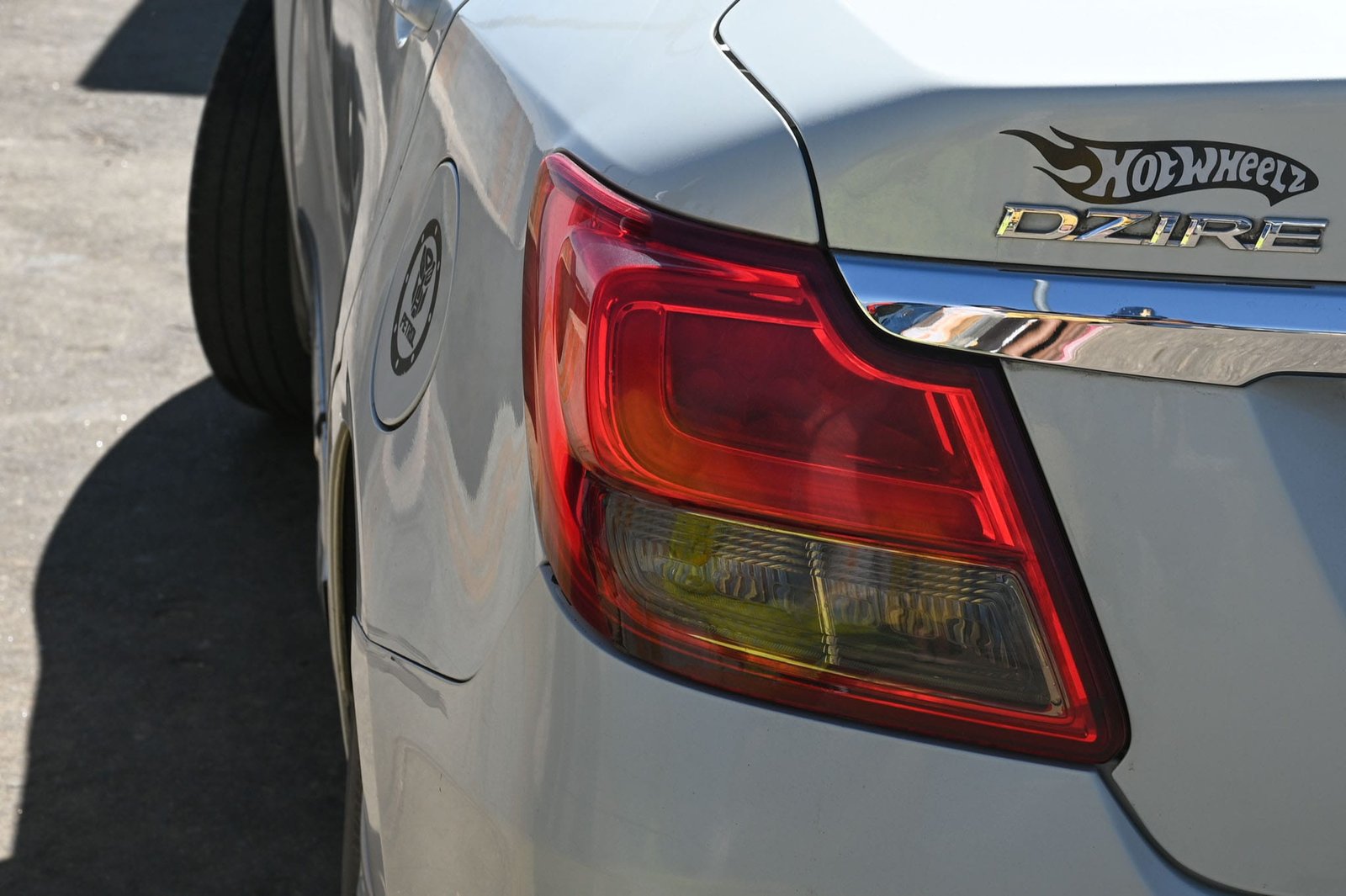
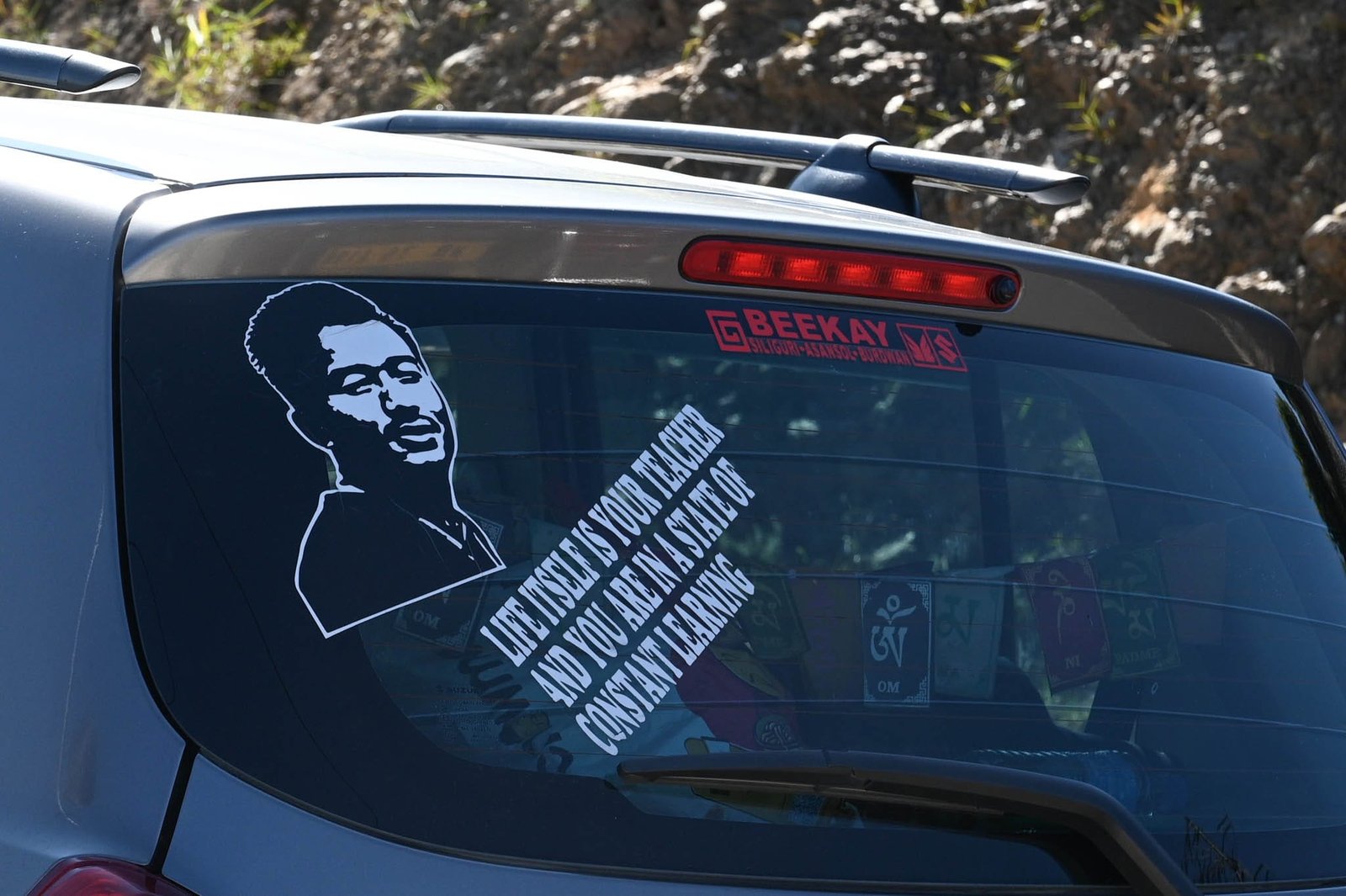
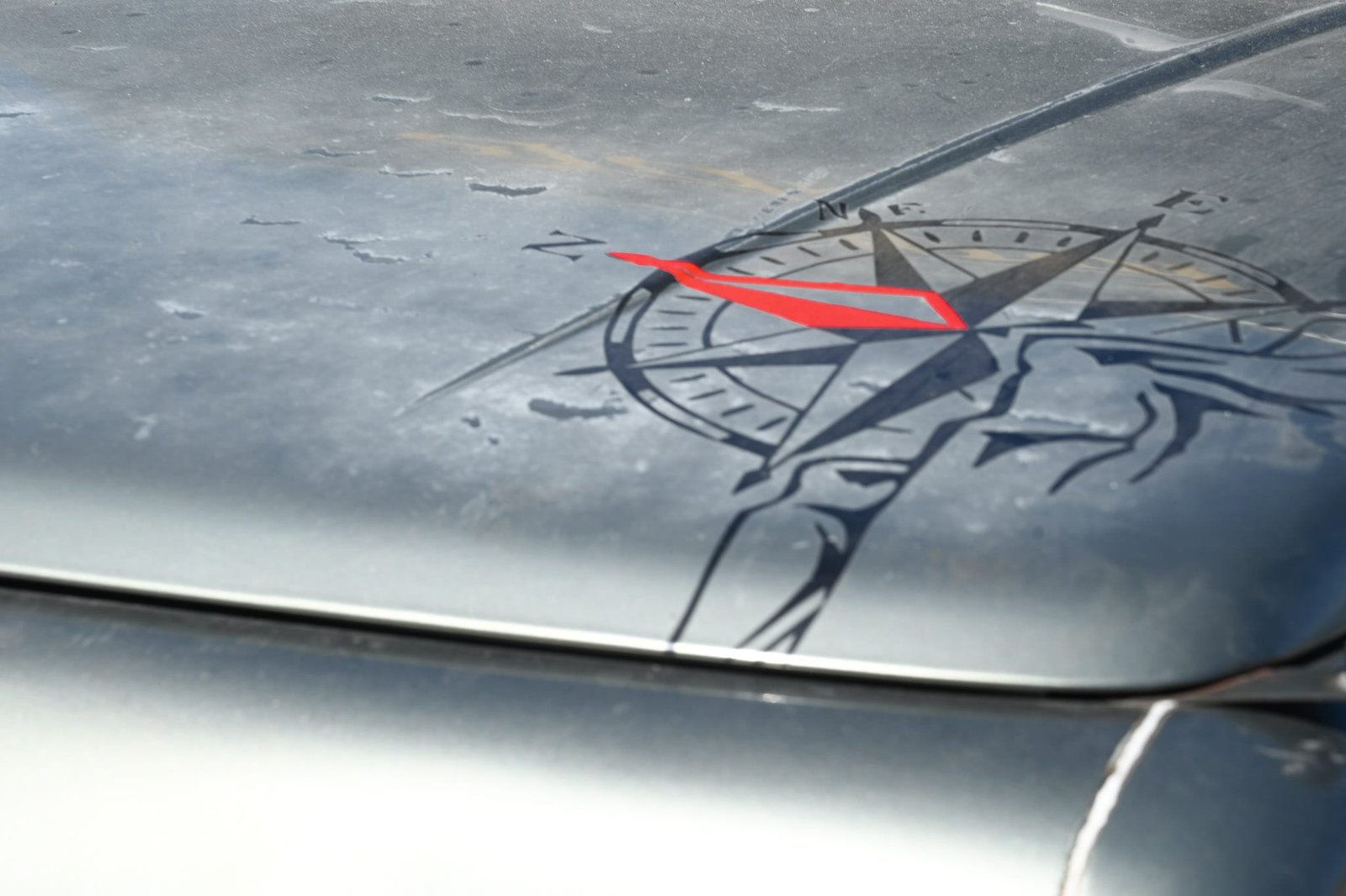
The human desire to personalize our possessions is as strong as ever, if not stronger. Now amid many cars, with the same model, it is difficult to single out one’s car. The personality of a car and that of its owner can often be strikingly different. Many people may own a car of the same model, but each one becomes unique when it’s with its owner. It’s driven differently, parked differently, and even decorated differently, all to
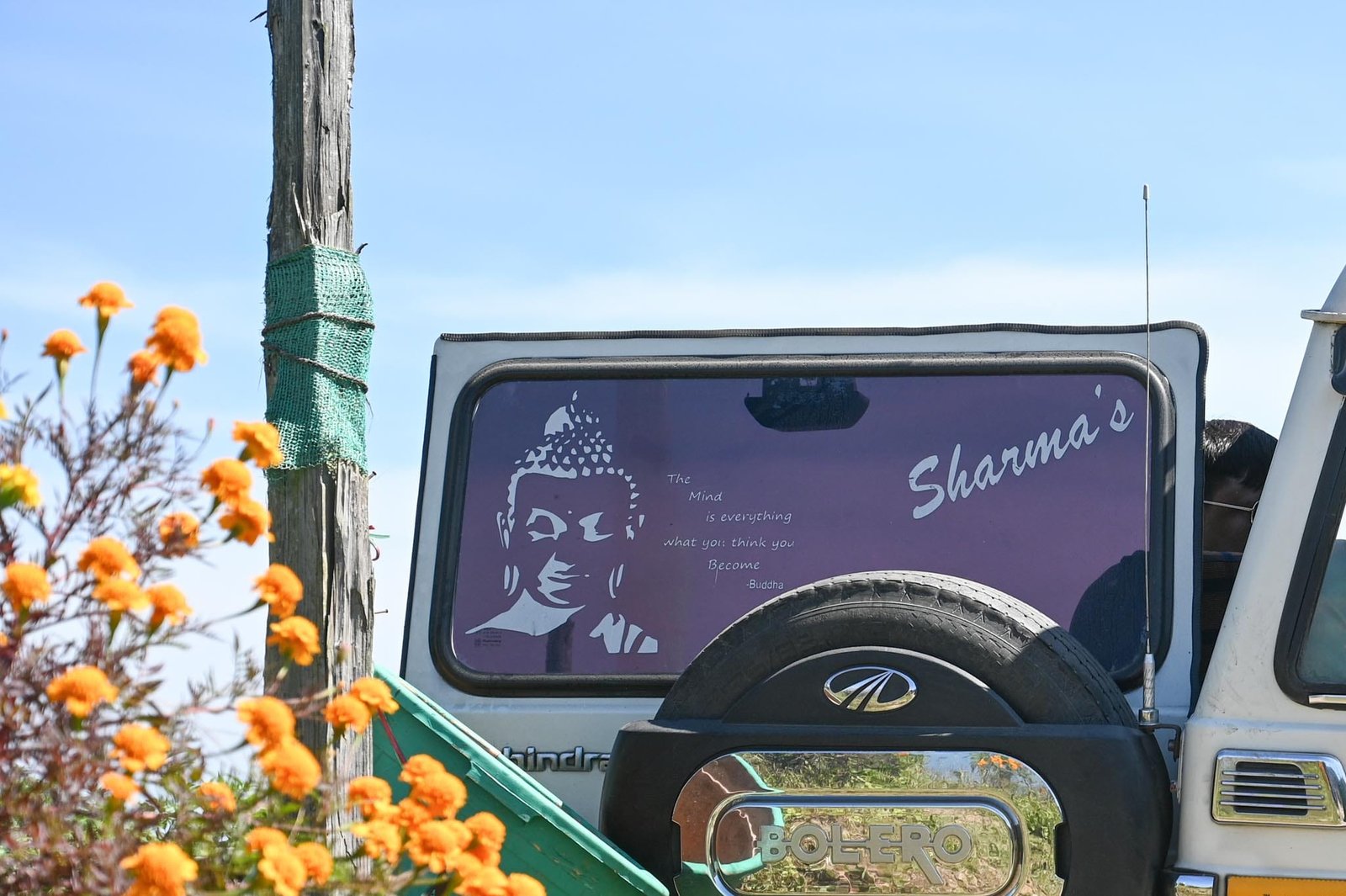
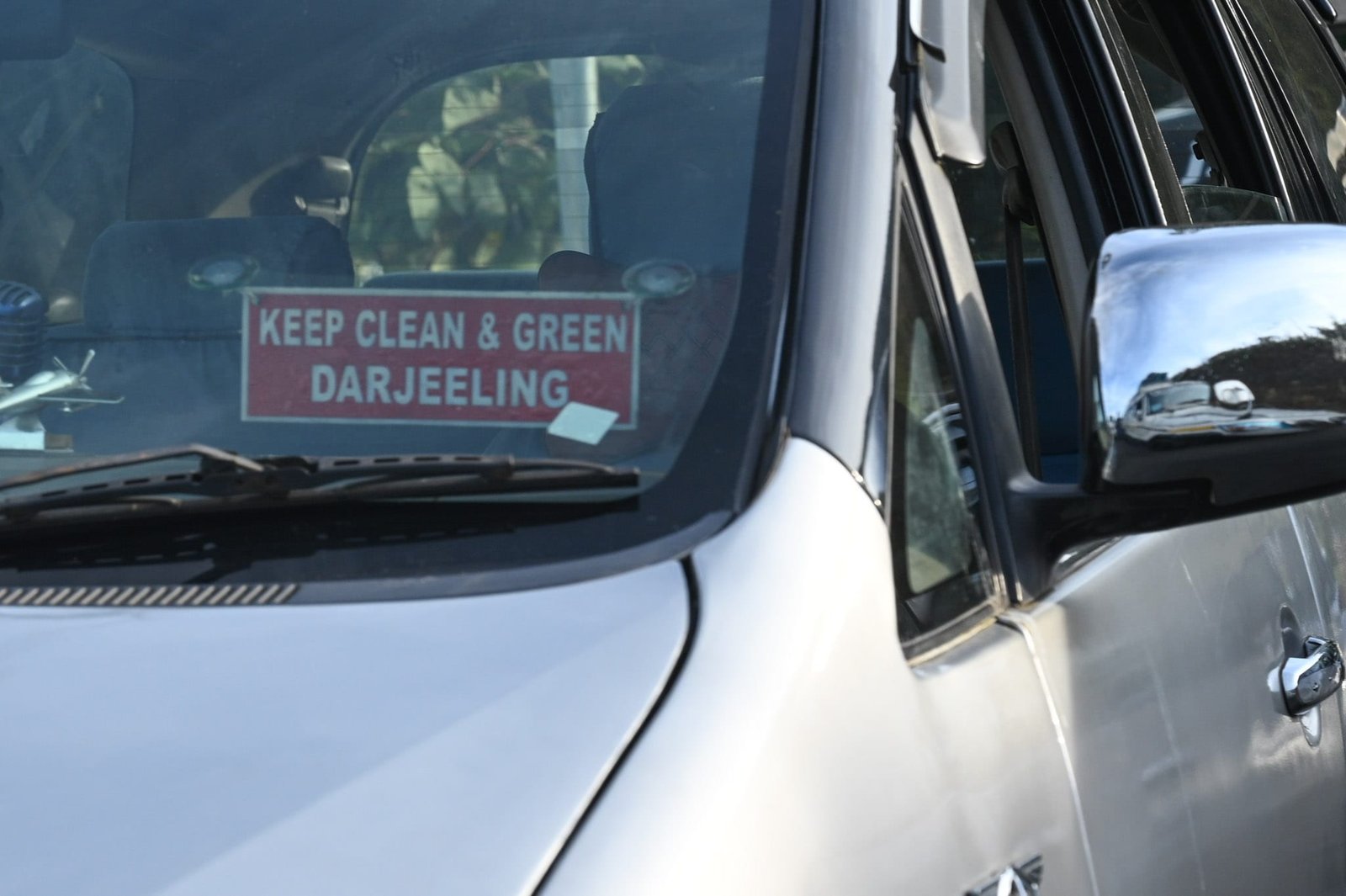
suit its owner’s individuality. In today’s world of self-expression and individuality, our vehicles frequently evolve into extensions of our personalities. Through this photo essay, I aim to explore the role that sticker plays in contemporary car culture in this era.
Car Stickers: Origins and Evolution
Car stickers have been around for decades, but they have come a long way from simple dealership logos and bumper stickers. The evolution of car stickers can be traced back to the 1960s and 1970s, where political slogans, peace signs, and psychedelic art adorned bumpers, often representing the rebellious spirit of the era.